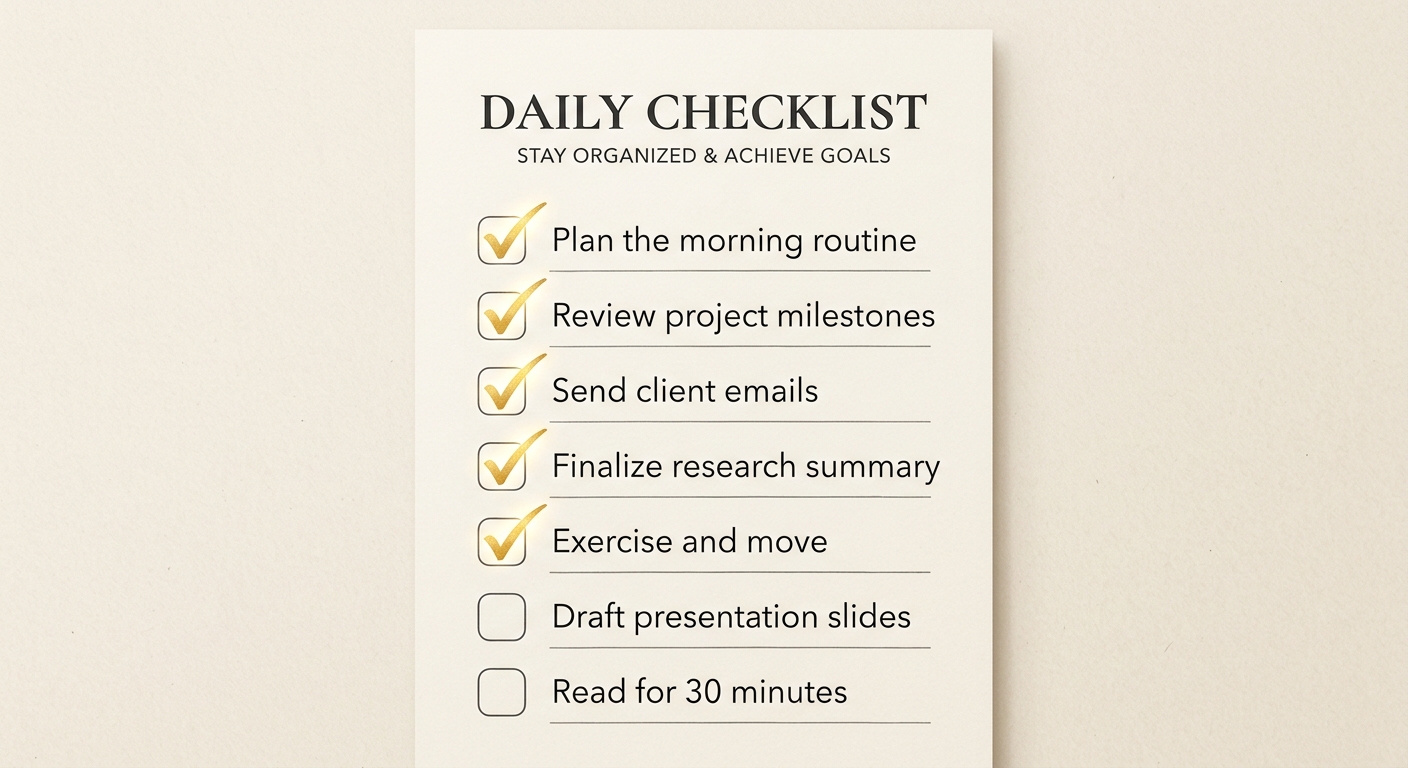
Product Manager Onboarding Checklist (90-Day Plan)
A week-by-week guide for onboarding new PMs. Help them ramp faster and set them up for success in their first three months.
Why Onboarding Matters
Great PM hires fail because of bad onboarding. They're thrown in without context, expected to figure it out, and judged harshly when they struggle.
This wastes the investment you made in hiring.
Good onboarding accelerates ramp time by months. A PM who understands users, product, and organization in 90 days beats one who's still finding their feet at 180 days.
Structure the process and invest the time.
Before Day One
Set Up Access
Nothing's worse than spending day one waiting for access:
- Slack
- Figma
- Analytics
- Jira
- Whatever tools you use
Assign an Onboarding Buddy
Someone (not their manager) who can:
- Answer questions
- Make introductions
- Provide informal guidance
The buddy should be available and willing.
Prepare a Reading List
- Company docs
- Product docs
- Strategy docs
- Recent roadmaps
- Relevant user research
Don't make them hunt for information.
Schedule Their First Two Weeks
- Meetings with key stakeholders
- Shadowing sessions
- Customer calls
Don't leave them to figure out who to meet.
Week One: Learn and Listen
| Day | Focus |
|---|---|
| Day 1 | Welcome, logistics, overview. Meet the team. Tour the product. Start reading documentation. |
| Days 2-5 | Meet stakeholders: manager, engineering leads, design partners, data/analytics, sales, support, marketing. |
Key Questions for Each Stakeholder
- "What should I know?"
- "What's working well?"
- "What's frustrating?"
By End of Week One
They should understand:
- Company's mission
- Product's core value prop
- Who the users are
- Who they'll work with closely
They shouldn't have made any decisions yet—they're absorbing.
Week Two: Go Deeper
Direct User Exposure
- Shadow customer calls
- Listen to support calls or sales demos
- Read support tickets
Get direct user exposure early.
Explore the Product
Use it as a customer would. Note what's:
- Confusing
- Broken
- Delightful
Build your own intuition.
Dive Into Metrics
Understand the key dashboards:
- What does the team track?
- What's going well?
- What's struggling?
By End of Week Two
They should have initial hypotheses about what matters and questions they want to answer. They're starting to form opinions.
Weeks Three and Four: Get Active
Join Team Rituals
- Standups
- Planning
- Retros
Observe first, then start participating.
Take On a Small Task
Something bounded and completable:
- Write a spec for a minor feature
- Run a user interview
- Fix a documentation gap
Establish Relationships
First 1:1s with direct reports (if they have them) or regular partners. Establish cadence and relationship.
By End of Month One
They should be participating in discussions, contributing ideas, and owning a small piece of work. They're not yet fully loaded but are clearly adding value.
Month Two: Take Ownership
Assign Real Ownership
A feature, an outcome, a project. Something meaningful with real stakes.
They'll learn best by doing.
Run Their First Planning Cycle
If timing allows, let them experience:
- Prioritization
- Stakeholder negotiation
- Scope definition
Track Goals
- What outcomes are they targeting?
- How will success be measured?
- Make expectations clear
Weekly Manager Check-Ins
- What's going well?
- What's hard?
- Where do they need support?
Course-correct early if needed.
Month Three: Establish Independence
Operating Independently
By month three, they should be operating with minimal hand-holding:
- Making decisions
- Shipping work
- Building relationships
Still learning, but clearly contributing.
Ship Something
Ideally, a feature or improvement reaches users.
The act of shipping teaches more than months of planning.
Present to Stakeholders
Give a roadmap update or a research readout. Practice communication at scale.
90-Day Review
Have a formal review:
- What have they accomplished?
- What have they learned?
- What's the plan for the next quarter?
The Onboarding Buddy Role
The buddy is not the manager—it's a peer who provides informal support:
- Answers stupid questions without judgment
- Makes introductions
- Helps navigate culture
Choose Buddies Who Are:
- Good at their job (so they model success)
- Approachable (so the new hire actually asks questions)
- Have time (onboarding is real work)
Meeting Cadence
At least weekly during the first month. More informally after that.
The relationship often becomes lasting.
Manager's Role in Onboarding
The manager:
- Sets expectations
- Provides context
- Removes blockers
- Gives feedback
They're not doing the onboarding but ensuring it happens.
Meeting Frequency
At least twice weekly in the first month. Daily check-ins aren't necessary, but frequent touchpoints catch issues early.
Questions to Ask
- "What's confusing?"
- "What do you need that you don't have?"
- "What have you learned that surprised you?"
Make them comfortable raising concerns.
Early Feedback
Don't wait for the 90-day review to mention issues. Small corrections early prevent big problems later.
Common Onboarding Mistakes
Sink-or-Swim
"Figure it out" doesn't work. New PMs don't know what they don't know.
Structure the learning.
Information Overload
50 documents on day one overwhelms.
Sequence information: urgent context first, depth later.
No Ownership Too Long
Three months of "learning" without real work doesn't test real skills.
Give them something to own by week three or four.
No Feedback
Assuming things are fine until they're not.
Check in actively, especially in the first month.
Related guides
Get the weekly digest of top product people & jobs
One email a week. No spam.